Your Hormones, Your Emotions: The Secret Dialogue Inside Your Body
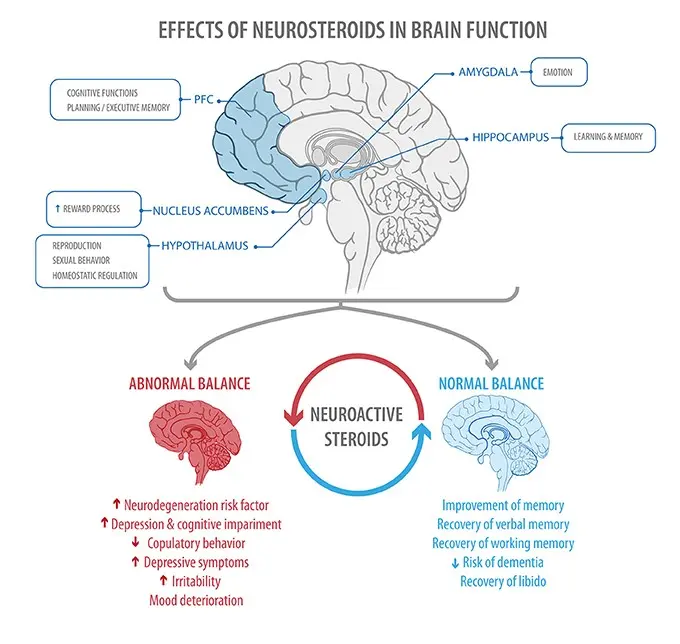
Most people believe emotions are purely psychological — reactions to people, situations, or life events. In reality, emotions are deeply biological experiences, shaped continuously by a silent internal conversation between your hormones and emotions.
Every feeling you experience — calm or anxiety, joy or sadness, confidence or fear — has a hormonal signature behind it. When this internal dialogue is balanced, emotions feel steady and manageable. When it is disrupted, emotions become intense, unpredictable, or overwhelming.
Understanding this connection is one of the most empowering principles of Effortless Health. It replaces self-blame with self-understanding and offers practical ways to restore emotional balance by working with your biology, not against it.
Emotions Are Not Random — They Are Chemical Messages
Hormones are chemical messengers released into the bloodstream. They influence the brain, organs, behavior, and emotional tone—often without conscious awareness. When hormone levels shift, emotions shift too, sometimes without any external trigger.
This explains why:
- You may feel anxious for no clear reason
- You may feel irritable even when “everything is fine”
- You may feel sudden sadness, fatigue, or low motivation
- You may feel unexpectedly calm or confident on certain days
These emotional changes are not personal weaknesses. They are biological signals asking for attention.
Cortisol and Anxiety: The Emotion of Survival
Cortisol is the body’s primary stress hormone. Its role is to keep you alert and prepared for challenges.
When cortisol is balanced:
- You feel focused
- You respond calmly
- You handle pressure with clarity
When cortisol remains chronically elevated:
- Anxiety increases
- Irritability rises
- Sleep quality worsens
- Emotional tolerance decreases
- Small problems feel overwhelming
Many people label themselves as “anxious,” when in reality they are experiencing cortisol-driven emotional overload. Improving sleep, reducing mental clutter, practicing slow breathing, and creating emotional safety can significantly lower cortisol and soften emotional reactivity.
Serotonin and Emotional Health: The Hormone of Stability
Serotonin plays a central role in emotional balance, self-confidence, and inner calm. Low serotonin is often associated with:
- Persistent sadness
- Overthinking
- Emotional sensitivity
- Low self-worth
Healthy serotonin levels support:
- Emotional steadiness
- Contentment
- Self-trust
- Inner peace
Serotonin rises naturally through:
- Consistent daily routines
- Exposure to natural light
- Gentle physical movement
- Gratitude and reflection
- Simplicity in lifestyle
This is why stable lives create stable emotions.
Dopamine and Motivation: Drive Without Burnout
Dopamine is commonly misunderstood as the “pleasure hormone.” In reality, it governs motivation, curiosity, and sustained effort.
Balanced dopamine supports:
- Focus and consistency
- Healthy ambition
- Inner drive without restlessness
Dopamine imbalance leads to:
- Addictive behaviors
- Emotional emptiness
- Lack of motivation
- Constant need for stimulation
Excessive screen time, sugar, novelty, and digital overstimulation cause dopamine spikes followed by emotional crashes. Effortless Health habits restore dopamine balance through simplicity, meaningful goals, deep focus, and reduced stimulation—creating quiet confidence rather than constant excitement-seeking.
Oxytocin and Bonding: The Emotion of Safety
Oxytocin is released through:
- Trust
- Touch
- Emotional safety
- Connection and belonging
Low oxytocin levels are linked to:
- Loneliness
- Emotional withdrawal
- Heightened anxiety
- Reduced trust
When oxytocin is high:
- Emotional warmth increases
- Stress hormones fall
- Healing processes improve
- Relationships deepen
Many emotional struggles are not psychological flaws — they are connection deficits.
Insulin and Mood Swings: The Hidden Emotional Driver
Blood sugar stability has a profound effect on emotional health. Fluctuating or low blood sugar can cause:
- Irritability
- Anxiety
- Fatigue
- Brain fog
- Emotional volatility

Many unexplained mood swings are metabolic in origin. Regular meals, balanced nutrition, stress reduction, and adequate sleep stabilize insulin levels — and therefore stabilize emotional tone.
Thyroid Hormones and Emotional Energy
Thyroid hormones regulate energy, motivation, and emotional responsiveness.
Low thyroid activity may present as:
- Emotional flatness
- Low motivation
- Depressive symptoms
- Mental slowing
Overactive thyroid function may cause:
- Nervousness
- Irritability
- Emotional overstimulation
This highlights why emotional symptoms must always be viewed through a mind-body endocrinology lens, not only a psychological one.
The Gut–Hormone–Emotion Axis
The gut produces and regulates many neurotransmitters, including serotonin. Gut imbalance can contribute to:
- Anxiety
- Low mood
- Brain fog
- Emotional instability
A calm nervous system improves digestion, and improved digestion stabilizes emotions. This explains why stress management often improves gut health — and gut health improves emotional wellbeing.
Why Emotions Feel So Personal
Emotions feel deeply personal because they arise within us — but they are not fixed identities.
- You are not “an anxious person.” You are experiencing an anxious hormonal state.
- You are not “emotionally weak.” Your nervous system may be overloaded.
This understanding removes shame and replaces it with self-compassion and intelligent action.
The Effortless Health Perspective on Hormones and Emotions
Effortless Health does not teach emotional suppression or control. It teaches regulation.
When hormones are balanced:
- Emotions soften
- Clarity increases
- Self-control becomes natural
- Relationships improve
- Life feels lighter and more aligned
You do not fight emotions. You listen to the biological message behind them.
Five Natural Ways to Balance Emotions Biologically
Start gently. Small changes create large shifts.
- Sleep regularly — stabilizes every hormone
- Breathe slowly during stress — lowers cortisol
- Simplify daily routines — increases serotonin
- Reduce digital overstimulation — balances dopamine
- Cultivate connection — raises oxytocin
These are simple, sustainable, and science-backed strategies for emotional regulation.
Final Reflection
Your emotions are not enemies. They are signals from your inner chemistry. When you understand how hormones affect emotions, you stop fighting yourself and begin working intelligently with your body. Emotional balance is not mysterious or unattainable.
It is a biological skill — and it can be learned.
This is the deeper promise of Effortless Health: when your hormones and emotions cooperate, life becomes calmer, clearer, and naturally aligned.