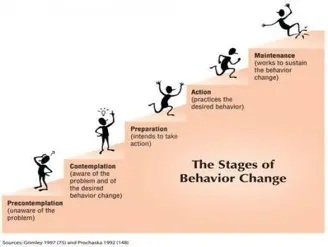
Why Most People Fail in Health Goals — And How to Break the Cycle
Every January, millions of people make health resolutions. And by February, most of them quietly disappear. Weight loss plans fail. Exercise routines fade. Diets collapse. Meditation apps are abandoned. Even serious medical advice is often followed for a few weeks and then forgotten.
This is not because people are lazy, weak, or irresponsible. Most health goals fail because they are designed against human biology and psychology. To break the cycle, we must first understand why failure is so common—and then redesign health goals in a way that works with the mind and body, not against them.
1. The Myth of Motivation
The biggest misconception about health change is the belief that motivation is the key. Motivation is emotional. Biology is physiological. Motivation fluctuates with:
- Sleep deprivation
- Stress levels
- Blood sugar swings
- Hormonal changes
- Emotional states
When motivation drops—as it inevitably does—people assume something is wrong with them. In reality, they built a health plan that depended on a temporary emotion. Sustainable health change is not driven by motivation. It is driven by systems, simplicity, and biological alignment.
2. The Brain Is Designed to Resist Change
The human brain evolved to conserve energy and avoid uncertainty. Any new habit—even a healthy one—is perceived as a threat. When you suddenly decide to:
- Exercise daily
- Eat differently
- Wake up earlier
- Stop sugar or junk food
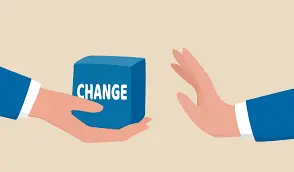
Your brain activates resistance circuits:
- “This is too hard”
- “I’ll start tomorrow”
- “I deserve a break”
- “One day won’t matter”
This is not lack of discipline. It is neural self-protection. Most people fail because they fight their brain instead of training it gradually.
3. Why Health Goals Fail: All-or-Nothing Thinking Sabotages Progress
One missed workout. One unhealthy meal. One skipped meditation. And the inner voice says:
“I’ve already failed. What’s the point?”
This is called binary thinking, and it is one of the most destructive psychological patterns in health behaviour. Health is not a switch. It is a spectrum. People who succeed understand this deeply:
- Progress is non-linear
- Consistency beats perfection
- Recovery matters more than punishment
When health goals fail, breaking the cycle requires abandoning the idea of “perfect health behaviour” and replacing it with adaptive resilience.
4. Biology Is Ignored in Most Health Advice
Most health goals and plans ignore the biological reality of the human body. For example:
- High cortisol increases cravings and fat storage
- Poor sleep increases hunger hormones
- Insulin resistance increases fatigue and discouragement
- Emotional stress reduces self-control
Asking a chronically stressed, sleep-deprived, insulin-resistant person to suddenly “eat clean and exercise hard” is biologically unrealistic. This is why health goals must start with:
- Nervous system regulation
- Sleep restoration
- Stress reduction
- Gentle metabolic support
Once biology improves, behaviour follows naturally.
5. Willpower Is Overestimated
Willpower is not infinite. It is a limited cognitive resource. Every day, willpower is consumed by:
- Decision-making
- Emotional regulation
- Work stress
- Family responsibilities
- Social pressures
By evening, willpower is depleted—exactly when people are expected to:
- Avoid junk food
- Exercise
- Make “healthy choices”
This is why relying on willpower leads to failure. Effortless Health focuses on environmental design, not heroic self-control:
- Keep unhealthy food out of reach
- Simplify meal options
- Reduce decision load
- Automate healthy choices
When the environment supports health, willpower becomes unnecessary.
6. Emotional Eating and Unaddressed Stress
Many health failures are not about food or exercise at all. They are about unprocessed emotions. People eat when they are:
- Anxious
- Lonely
- Bored
- Overwhelmed
- Emotionally exhausted
Until emotional stress is acknowledged and addressed, health goals remain fragile. Breaking the cycle requires asking a deeper question:
“What am I trying to soothe or escape?”
Health improves not by suppressing emotions, but by regulating the nervous system and cultivating emotional awareness.
7. Unrealistic Timelines Destroy Confidence
Modern culture promises fast results:
- “Lose 10 kg in 30 days”
- “Flat stomach in 2 weeks”
- “Reverse diabetes quickly”
When reality doesn’t match these promises, people feel discouraged and quit. But biology changes slowly—and that is a strength, not a weakness. Sustainable health:
- Builds gradually
- Stabilises deeply
- Lasts long-term
Effortless Health reframes success as:
“Slow progress that never collapses.”
8. Identity Conflict Blocks Change
Many people unconsciously hold identities that conflict with their goals:
- “I have always been unhealthy”
- “I’m not a disciplined person”
- “Diabetes runs in my family”
- “This is just how I am”
As long as identity remains unchanged, behaviour cannot sustain change. Real transformation begins when identity shifts from:
“I am trying to be healthy”
to
“I am someone who values and protects my health.”
Identity change precedes habit change.
9. The Effortless Health Approach to Breaking the Cycle
Effortless Health does not ask people to fight themselves. It teaches them to align with themselves. Key Principles:
- Reduce stress before increasing effort
- Simplify habits instead of intensifying them
- Stabilise sleep and routine first
- Focus on nervous system regulation
- Build identity-based habits
- Respect biological rhythms
When health feels natural instead of forced, consistency emerges automatically.
10. Five Practical Steps to Break the Failure Cycle
Here is a realistic, science-backed approach:
- Start Smaller Than You Think
- If it feels easy, it’s correct. If it feels hard, it will fail.
- Fix Sleep Before Fixing Diet
- Sleep stabilises hormones, appetite, mood, and motivation.
- Reduce Stress Before Increasing Discipline
- A calm nervous system creates self-control naturally.
- 4. Design Your Environment
- Make the healthy choice the easiest choice.
- 5. Measure Progress Gently
- Track consistency, not perfection.
11. Why People Who Succeed Look “Effortless”
They are not stronger. They are not more motivated. They simply:
- Work with their biology
- Simplify decisions
- Respect human limitations
- Design supportive systems
- Remove self-judgment
Health becomes stable when struggle is removed.
12. Final Reflection
Failure in health goals is not personal failure. It is design failure. When goals are aligned with:
- Brain science
- Hormonal balance
- Emotional regulation
- Simplicity
- Compassion
Success becomes inevitable. The cycle does not break through force. It breaks through understanding. This is the heart of Effortless Health.