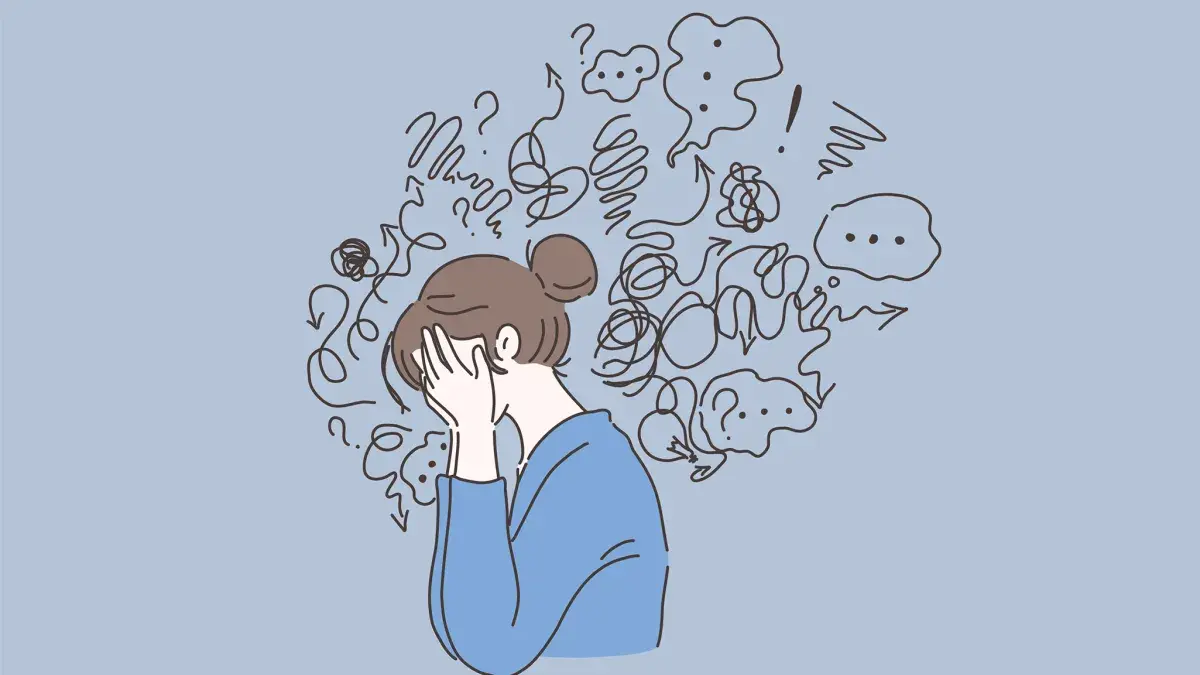
Why Chronic Stress Makes Healing Difficult (Even With Good Habits)
Many people follow healthy routines faithfully. They eat well, exercise regularly, take supplements, and try to stay consistent with medical advice. Yet despite doing “everything right,” healing feels slow, incomplete, or frustratingly out of reach. One of the most overlooked reasons for this struggle is chronic stress.
Chronic stress does far more than create mental tension. It changes how the brain, hormones, immune system, digestion, and metabolism function. When stress becomes long‑term, the body shifts into a survival‑focused state that prioritizes short‑term protection over long‑term repair. In this state, even the best health habits may not produce the results a person expects.
Understanding how chronic stress interferes with healing is essential for anyone pursuing sustainable health—especially within programs that emphasize ease, regulation, and long‑term balance rather than force or restriction.
Understanding Chronic Stress
Chronic stress is not defined by a single event. Instead, it occurs when the body remains in a prolonged state of perceived threat. This threat may come from emotional pressure, unresolved trauma, work demands, financial strain, relationship conflict, illness, or even constant overstimulation.
Unlike acute stress—which is short‑lived and often protective—chronic stress keeps the nervous system activated for weeks, months, or even years. The body does not distinguish between physical danger and psychological pressure. To the brain, ongoing worry, overload, or emotional suppression all signal the same message: it is not safe to relax.
When this message persists, healing processes are quietly deprioritized.
The Nervous System’s Role in Healing
Healing depends on balance within the nervous system. The parasympathetic branch—often referred to as the “rest and repair” system—supports digestion, immune repair, tissue regeneration, hormone regulation, and emotional stability.
Chronic stress keeps the sympathetic nervous system dominant. This is the system responsible for fight‑or‑flight responses. While useful in emergencies, long‑term activation comes at a cost.
When the nervous system remains in a defensive state:
- Blood flow is redirected away from digestion and repair
- Muscle tension increases
- Inflammation rises
- Sleep becomes lighter and less restorative
- Emotional regulation becomes more difficult
In this state, the body is biologically less capable of healing—even when healthy behaviors are present.
Cortisol and the Cost of Constant Alertness
One of the most significant hormonal players in chronic stress is cortisol. Cortisol helps mobilize energy during perceived danger, but prolonged elevation disrupts nearly every major system in the body.
Sustained cortisol output can:
- Suppress immune function
- Increase systemic inflammation
- Disrupt blood sugar balance
- Interfere with thyroid signaling
- Reduce sex hormone production
Over time, this hormonal imbalance creates an internal environment where healing becomes inefficient. Wounds may take longer to repair, inflammation lingers, and symptoms become persistent rather than temporary.
Importantly, these effects occur regardless of how disciplined someone is with diet or exercise.
Why Good Habits Alone May Not Be Enough
Healthy habits are foundational, but they do not automatically counteract chronic stress physiology. In fact, certain habits—when performed under stress—can become additional stressors themselves.
For example:
- Intense exercise without adequate nervous system recovery can increase cortisol
- Strict dietary control may heighten psychological pressure
- Constant self‑monitoring can reinforce a sense of threat rather than safety
When the body perceives effort as survival‑based rather than supportive, healing slows. This explains why some individuals feel worse when trying harder to be healthy.
True healing requires not only healthy inputs, but also a biological state that allows those inputs to be utilized effectively.
Chronic Stress, Inflammation, and Immune Suppression
Inflammation is a natural healing response. However, chronic stress promotes low‑grade, persistent inflammation that does not resolve properly.

At the same time, immune surveillance weakens. This paradox—high inflammation alongside reduced immune efficiency—creates a system that reacts excessively but repairs poorly.
This pattern is often observed in conditions involving:
- Chronic pain
- Autoimmune symptoms
- Digestive disorders
- Fatigue syndromes
- Recurrent infections
The issue is not a lack of effort. It is a body operating under prolonged stress signals that prevent resolution.
The Gut–Brain Connection Under Stress
The digestive system is particularly sensitive to chronic stress. Under threat, digestion is deprioritized. Stomach acid, digestive enzymes, and gut motility may all decrease.
This leads to:
- Poor nutrient absorption
- Increased gut permeability
- Changes in the gut microbiome
- Heightened food sensitivities
Even the most nutrient‑dense diet cannot support healing if digestion and absorption are compromised by stress.
Sleep, Repair, and the Stress Cycle
Deep, restorative sleep is one of the most powerful healing mechanisms the body has. Chronic stress disrupts sleep architecture, reducing time spent in deep and REM stages.
Without adequate restorative sleep:
- Tissue repair slows
- Hormonal rhythms become dysregulated
- Emotional resilience declines
- Pain sensitivity increases
Many people attempt to compensate with supplements or stricter routines, but without calming the stress response, sleep quality remains impaired.
Healing Requires Safety, Not Pressure
The body heals most effectively when it perceives safety. Safety allows systems to downshift from defense into repair. This does not mean eliminating all stress, but rather restoring the ability to recover from it.
Approaches that support healing in the presence of chronic stress include:
- Nervous system regulation practices
- Reducing cognitive and emotional overload
- Supporting consistent circadian rhythms
- Allowing flexibility rather than perfection
- Reframing health as cooperation with the body, not control over it
These principles are central to health models that emphasize effortlessness rather than force.
Why Sustainable Healing Is a Gradual Process
Chronic stress develops over time, and healing from it is equally gradual. The body must relearn safety before it can fully restore balance.
This process often unfolds in stages:
- Stabilizing stress responses
- Improving sleep and digestion
- Reducing inflammation
- Restoring hormonal balance
- Enhancing long‑term resilience
Expecting rapid results can unintentionally reinforce stress. Sustainable healing respects the body’s timeline.
The Role of Education in Long‑Term Health
Understanding chronic stress empowers individuals to work with their biology rather than against it. Education removes blame and reframes symptoms as adaptive responses, not failures.
Programs designed around nervous system awareness and physiological safety provide a framework where healing becomes possible without constant struggle.
Final Thoughts
Chronic stress is one of the most significant barriers to healing in modern health care. It quietly undermines even the most consistent healthy habits by shifting the body into a state of survival rather than repair.
Healing does not require doing more. It requires creating conditions where the body feels safe enough to heal. When stress is addressed at its root, healthy habits finally have the biological support they need to work.
True health is not built through force, but through balance, regulation, and trust in the body’s innate capacity to recover when given the right environment.