The Gut Brain Connection Explained: How Your Digestive System Influences Your Mind
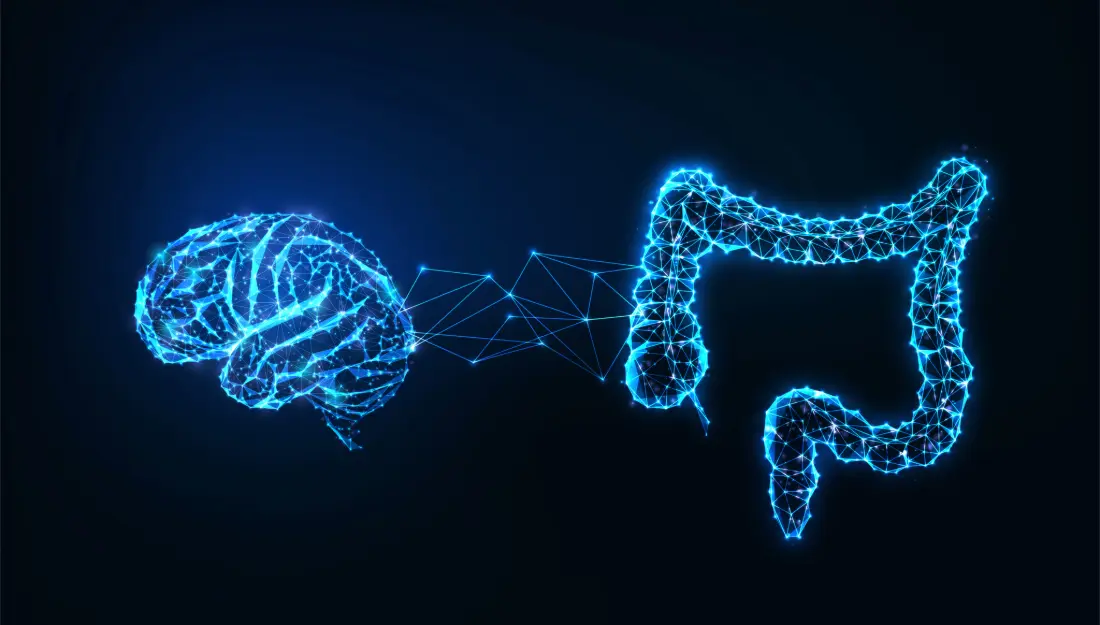
Modern medical research has revealed an extraordinary relationship between the digestive system and the brain. What happens in the gut does not stay in the gut — it directly affects how we think, feel, and function every day. This relationship is known as the gut brain connection, and it plays a vital role in both physical and mental health.
For many years, digestive health and mental wellbeing were treated as separate areas of medicine. Today, scientists understand that the gut and brain communicate constantly through complex biological networks involving nerves, hormones, and the immune system.
Understanding the gut brain connection provides valuable insight into why issues such as stress, poor diet, and inflammation can affect both digestion and emotional wellbeing. It also highlights why supporting gut health can have benefits that extend far beyond the digestive tract.
What Is the Gut Brain Connection?
The gut brain connection refers to the two-way communication system between the gastrointestinal tract and the brain. This communication occurs through several pathways that allow the two systems to influence each other continuously.
The digestive system contains its own network of nerves known as the enteric nervous system. Because of its complexity and independence, this system is sometimes referred to as the body’s “second brain.”
Through this network, the gut can send signals to the brain about digestion, nutrient absorption, and immune activity. At the same time, the brain can influence digestive processes such as motility, enzyme production, and gut sensitivity.
This constant exchange helps the body maintain internal balance and respond to changes in the environment.
The Role of the Vagus Nerve
One of the most important communication pathways involved in the gut brain connection is the vagus nerve. This long cranial nerve acts as a communication highway between the brain and several major organs, including the stomach and intestines.
The vagus nerve carries information in both directions. Signals from the gut can travel to the brain, while signals from the brain can influence digestive activity.
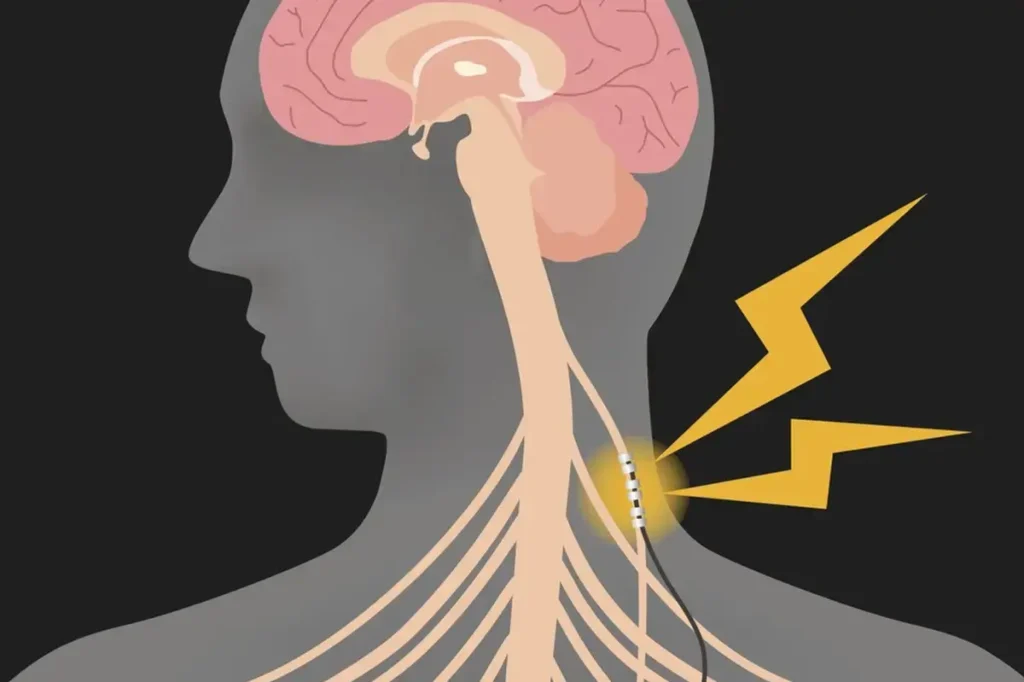
For example, emotional stress can alter gut motility, change digestive secretions, and affect the balance of microorganisms in the gut. Conversely, disturbances in gut health can influence mood, cognitive clarity, and stress responses.
Maintaining healthy vagal function therefore plays an important role in supporting the gut brain connection.
The Gut Microbiome and Brain Health
Another crucial component of the gut brain connection is the gut microbiome, which refers to the trillions of microorganisms living in the digestive tract.
These bacteria are not simply passive residents. They actively participate in digestion, immune regulation, and metabolic activity. Research also shows that the microbiome can produce chemicals that influence brain function.
For instance, many gut bacteria help produce neurotransmitters such as:
- Serotonin
- Dopamine
- Gamma-aminobutyric acid (GABA)
Serotonin, often associated with mood regulation, is produced in large amounts within the digestive system. When the balance of gut bacteria becomes disrupted, this production process may also be affected.
This is one reason why gut health can influence emotional wellbeing.
How Stress Affects the Gut
Stress is one of the most powerful influences on the gut brain connection. When the body perceives stress, the brain activates the hypothalamic–pituitary–adrenal (HPA) axis, releasing stress hormones such as cortisol.
While this response is helpful during short-term challenges, chronic stress can interfere with digestive function in several ways.
Persistent stress may:
- Slow down or speed up gut motility
- Disrupt the gut microbiome
- Increase intestinal permeability
- Promote inflammation within the digestive tract
Many individuals experience digestive discomfort during stressful periods because the gut responds quickly to signals from the brain.
Over time, repeated stress signals can weaken the balance within the gut ecosystem.
The Gut Brain Connection and Inflammation
Inflammation is another factor linking gut health and brain health. When the gut lining becomes irritated or damaged, inflammatory signals can travel through the bloodstream and affect other parts of the body.
These inflammatory signals can influence the nervous system and may contribute to symptoms such as fatigue, brain fog, or mood changes.
At the same time, chronic inflammation can disrupt the balance of gut microorganisms, further weakening digestive health.
Supporting the gut’s natural protective barriers helps reduce these inflammatory signals and maintain healthy communication between the gut and brain.
Signs the Gut Brain Connection May Be Disrupted
When the gut brain connection is functioning well, digestion, energy levels, and mental clarity tend to remain relatively stable.
However, disruptions in this communication system may produce a range of symptoms.
Some common signs include:
- Digestive discomfort such as bloating or irregular bowel movements
- Frequent fatigue
- Difficulty concentrating
- Mood fluctuations
- Increased sensitivity to stress
- Food cravings or appetite changes
While these symptoms can have multiple causes, they sometimes indicate that the communication between the gut and brain is under strain.
Nutrition and the Gut Brain Connection
Diet plays a major role in shaping the gut microbiome and supporting the gut brain connection.
Foods that are highly processed or rich in refined sugars can disrupt the balance of beneficial bacteria within the digestive tract. Over time, this imbalance may affect both metabolic and neurological function.
In contrast, nutrient-dense foods support microbial diversity and digestive stability.
A gut-supportive diet often includes:
- Fiber-rich vegetables
- Whole fruits
- Fermented foods
- Healthy fats
- Adequate protein sources
These foods help nourish beneficial microorganisms and strengthen the gut’s natural protective barrier.
When the gut environment improves, communication with the brain often improves as well.
The Importance of Sleep for Gut Health
Sleep is another important factor affecting the gut brain connection. The body performs many repair and regulatory processes during restful sleep, including processes that influence digestion and microbial balance.
Disrupted sleep patterns can affect hormones that regulate appetite and metabolism. They may also alter the composition of gut bacteria.
Over time, irregular sleep may contribute to digestive discomfort and metabolic stress.
Establishing consistent sleep habits supports both neurological and digestive health.
Physical Activity and Gut Communication
Regular physical movement also benefits the gut brain connection. Exercise supports healthy blood circulation, improves metabolic efficiency, and can positively influence the diversity of gut bacteria.
Even moderate daily activity — such as walking, stretching, or light resistance training — can promote better digestive motility and improve energy regulation.
Physical activity also helps regulate stress hormones, which indirectly supports healthier communication between the brain and digestive system.
Supporting the Gut Brain Connection Through Lifestyle
The gut brain connection thrives when the body’s core regulatory systems remain balanced. Rather than relying on quick fixes, sustainable lifestyle habits tend to provide the most reliable support.
Several strategies can help strengthen this connection:
Maintain a Balanced Diet
Consuming a variety of whole foods provides nutrients that support beneficial gut bacteria.
Manage Stress Effectively
Relaxation practices such as breathing exercises, meditation, or time in nature help regulate the nervous system.
Prioritize Restful Sleep
Consistent sleep patterns support hormonal balance and digestive repair.
Stay Physically Active
Regular movement improves circulation, metabolic activity, and gut function.
Limit Highly Processed Foods
Reducing excessive sugar and ultra-processed foods can help restore microbial balance.
Together, these habits create a stable internal environment that supports both digestive and neurological wellbeing.
Why the Gut Brain Connection Matters for Long-Term Health
The gut brain connection is a powerful reminder that the body functions as an integrated system. Digestive health, immune balance, metabolic activity, and mental wellbeing are all deeply interconnected.
When gut health is supported, many individuals notice improvements not only in digestion but also in energy levels, mental clarity, and emotional resilience.
As scientific research continues to explore this connection, it becomes increasingly clear that caring for the gut is an important step toward maintaining overall health.
By supporting the body’s natural communication systems, individuals can create a stronger foundation for long-term wellbeing.
Conclusion
The gut brain connection highlights the remarkable relationship between the digestive system and the brain. Through complex communication networks involving nerves, hormones, and the microbiome, these two systems influence each other continuously.
When the gut is healthy and balanced, it supports not only digestion but also mood, energy, and mental clarity. By prioritizing nutrition, stress management, sleep, and regular movement, individuals can strengthen this connection and promote more resilient overall health.