Stress Is Not the Enemy: Understanding Positive Stress and Resilience
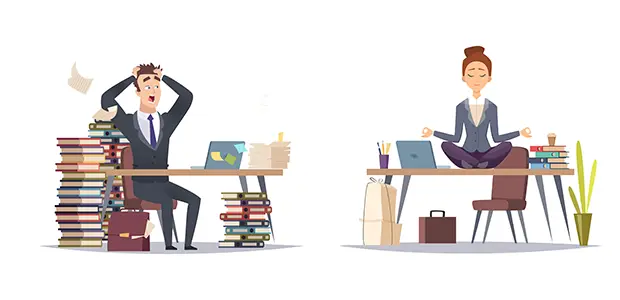
Stress has become one of the most misunderstood health concepts in modern life. It is often blamed for chronic diseases, emotional instability, sleep disorders, and burnout. People are repeatedly told to eliminate stress completely, yet this advice ignores one crucial biological truth — stress itself is not harmful. In fact, stress is not the enemy. The real danger lies in chronic, unmanaged stress without recovery.
The human body evolved to use stress as a tool for growth, adaptation, and survival. When understood correctly, stress becomes a powerful mechanism that strengthens both physical and emotional resilience. The key lies in understanding the science of stress and health and learning how to transform stress into a positive biological force.
Why Stress Exists in Human Biology
Stress is an evolutionary survival response designed to help humans adapt to challenges. When the brain detects a demanding situation, it activates physiological systems that improve performance and focus.
This adaptive response helps:
- Sharpen concentration and alertness
- Mobilise energy reserves
- Improve reaction speed
- Enhance short-term performance
Without stress, daily motivation and growth would be nearly impossible. Activities such as preparing for exams, learning new skills, or performing physical exercise all rely on positive stress to drive improvement. This explains why stress is important for growth and long-term development.
The Biology of the Stress Response
The human stress response is regulated through the hypothalamic–pituitary–adrenal (HPA) axis, which controls hormonal and nervous system reactions to challenges. When stress occurs, the body releases key hormones that prepare it for action.
Adrenaline Response
Adrenaline increases heart rate, enhances alertness, and prepares the body for immediate performance demands.
Cortisol Regulation
Cortisol plays a central role in cortisol and stress regulation by ensuring sustained energy availability, maintaining blood sugar levels, and supporting cognitive function during challenges.
Short bursts of stress activate these hormones in beneficial ways. However, when stress remains continuous without recovery, the same mechanisms begin damaging metabolic, emotional, and immune health.
Good Stress vs Bad Stress
Understanding the difference between good and bad stress is essential for maintaining long-term health and performance.
Positive Stress (Eustress)
Eustress is short-term and purposeful, encouraging growth and adaptation. It is typically followed by rest and recovery, allowing the body to strengthen itself.
Examples include:
- Physical exercise and fitness training
- Learning new skills or knowledge
- Creative or professional challenges
- Taking on meaningful responsibilities
Positive stress improves performance and builds stress resilience, allowing individuals to adapt more effectively to future challenges.
Harmful Stress (Distress)
Distress occurs when stress becomes chronic, unpredictable, or emotionally overwhelming without adequate recovery.
Common sources include:
- Ongoing conflict or unresolved emotional tension
- Financial uncertainty or job insecurity
- Chronic worry or anxiety
- Emotional suppression
Distress gradually disrupts hormonal balance, nervous system regulation, and metabolic stability, highlighting the importance of understanding stress management science.
Why Modern Stress Becomes Harmful
Human biology evolved to handle short-term stress followed by rest. Modern lifestyles often expose individuals to prolonged psychological stress that rarely ends.
Modern stress is often:
- Mental rather than physical
- Continuous rather than temporary
- Emotionally unresolved
- Repeated through overthinking and mental replay
This ongoing stress keeps cortisol elevated and contributes to:
- Insulin resistance and metabolic imbalance
- Abdominal fat accumulation
- Sleep disturbances
- Emotional instability
- Suppressed immune function
The main issue is not stress itself but the absence of closure and recovery.
Perception and the Nervous System Stress Response
Research in nervous system stress shows that perception plays a crucial role in determining how stress affects the body. Two individuals can experience identical challenges but have completely different physiological outcomes depending on their mindset.
When stress is perceived as a threat:
- Cortisol levels remain elevated
- Recovery becomes slower
- Health risks increase
When stress is perceived as a challenge:
- Performance improves
- Hormonal balance stabilises
- Recovery becomes faster
Reframing stress helps the body interpret it as engagement rather than danger, which supports long-term resilience.
Emotional Suppression and Chronic Stress
Unexpressed emotions significantly contribute to chronic stress. When feelings such as anger, fear, or sadness remain unresolved, the nervous system continues to signal danger, even in safe environments.
Emotional suppression can lead to:
- Persistent fatigue
- Heightened anxiety
- Reduced stress tolerance
- Chronic nervous system activation
Acknowledging emotions does not increase vulnerability; instead, it allows the body to complete the stress cycle and return to balance.
Stress Recovery Is More Important Than Stress Avoidance
Attempting to eliminate stress completely is unrealistic and biologically impossible. Effective health strategies focus on strengthening stress recovery rather than avoiding stress altogether.
Recovery signals the body that the threat has passed and allows hormonal and nervous system balance to return.
Without recovery:
- Stress accumulates gradually
- Resilience declines
- Chronic disease risk increases
Recovery does not require extended vacations or long breaks. Small daily nervous system resets are often sufficient to maintain balance.
The Effortless Health Approach to Stress
The Effortless Health philosophy focuses on improving stress processing rather than eliminating stress. This perspective supports sustainable adaptation through balanced engagement and recovery.
Key principles include:
- Allowing stress while limiting its duration
- Fully engaging in challenges, then consciously disengaging
- Respecting circadian and biological rhythms
- Incorporating calm moments throughout the day
- Completing emotional stress cycles
This approach strengthens the body’s ability to adapt naturally, reinforcing effortless health stress management.
Science-Based Stress Recovery Techniques
Learning how to use stress positively requires simple, consistent strategies that support biological recovery.
Pair Effort with Recovery
After intense focus or physical exertion, short periods of rest help reset hormonal balance and restore nervous system calm.
Use Controlled Breathing
Slow breathing activates the parasympathetic nervous system, lowering cortisol and promoting relaxation.
Label the Stress
Research shows that naming stress reduces its intensity and shortens the stress response duration.
Engage in Physical Movement
Exercise or gentle movement helps complete the stress cycle by releasing stored stress hormones.
Prioritise Restorative Sleep
Sleep is the most powerful natural recovery system. It regulates hormones, repairs tissues, and strengthens emotional stability.
These stress recovery techniques allow stress to enhance resilience rather than cause damage.
Why Stress-Resilient Individuals Appear Calm
Calmness does not mean absence of stress. Instead, it reflects strong recovery capacity and emotional regulation. People with high stress resilience typically:
- Accept stress as natural
- Avoid mentally amplifying challenges
- Recover quickly after stressful events
- Prevent stress from accumulating
They live stress-aware rather than stress-free lives.
Stress and Human Growth Are Connected
Growth and stress share a direct relationship. Physical, intellectual, and emotional development all require manageable stress levels.
- Muscles strengthen through exercise stress
- The brain develops through learning challenges
- Emotional maturity develops through responsibility and adversity
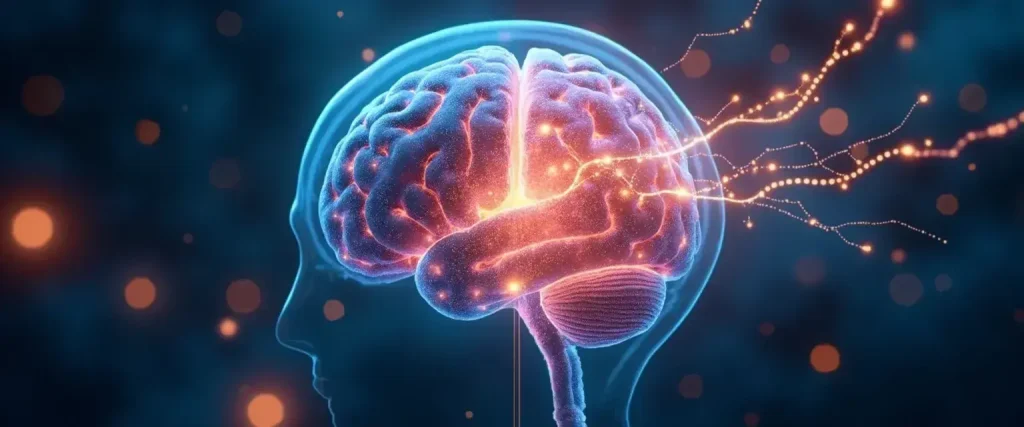
The goal is not to eliminate stress but to balance adaptation with recovery. This demonstrates the essential link between stress and personal evolution.
Final Reflection
Stress is a fundamental biological tool designed to help humans grow, adapt, and survive. The problem arises when stress remains unresolved or recovery is neglected. Understanding that stress is not the enemy allows individuals to build resilience, improve health outcomes, and develop emotional strength.
The Effortless Health philosophy teaches that reducing stress alone is not the solution. Instead, consistent recovery practices help the body transform stress into a positive force.
When managed wisely, stress becomes a teacher that strengthens both the body and mind. By learning to balance challenge with recovery, individuals can unlock greater resilience, clarity, and long-term wellbeing.