Restorative Sleep: The Hidden Physician Within
Modern healthcare often focuses on diet plans, supplements, exercise routines, and advanced therapies. Yet one of the most powerful healing systems available to the human body is frequently overlooked — restorative sleep. Many individuals invest significant effort into improving their health but continue to neglect sleep, leaving their energy levels unstable, immunity compromised, and emotional resilience weakened.
Sleep is far more than simple rest. It is a dynamic biological process that allows the body and brain to repair, reset, and renew. Understanding the true sleep health benefits reveals why restorative sleep acts as the body’s internal physician, working silently to maintain long-term wellbeing.
Why Restorative Sleep Is More Than Rest
During restorative sleep, the body enters its most active repair phase. Several critical biological functions take place simultaneously, including cellular healing, hormone regulation, metabolic balancing, and emotional processing.
Quality sleep supports:
- Cellular repair and tissue recovery
- Hormonal balance and metabolic regulation
- Brain detoxification and memory consolidation
- Immune strengthening and inflammation control
- Emotional stability and cognitive clarity
Without sufficient restorative sleep, even the most disciplined lifestyle changes cannot fully compensate for declining health. This highlights why sleep is important for health at both a preventive and therapeutic level.
How Sleep Heals the Body and Brain
One of the most remarkable scientific discoveries in recent years is the glymphatic system — the brain’s specialised cleaning mechanism that operates primarily during deep sleep. This process plays a crucial role in sleep and healing, allowing the brain to eliminate harmful metabolic waste accumulated throughout the day.
During deep restorative sleep:
- Brain cells temporarily shrink to allow fluid circulation
- Toxic proteins and inflammatory by-products are flushed out
- Neural connections reorganise and strengthen
- Memory and learning pathways improve
When sleep quality declines, these cleansing processes slow down, increasing the risk of brain fog, poor concentration, mood disturbances, and long-term neurological decline. The deep sleep benefits extend beyond mental clarity and directly influence brain longevity.
The Relationship Between Sleep and Hormones
The endocrine system relies heavily on restorative sleep. Several critical sleep hormones regulate appetite, stress response, tissue repair, and energy balance.
Cortisol Regulation
Sleep deprivation keeps cortisol levels elevated, contributing to:
- Anxiety and emotional irritability
- Increased abdominal fat accumulation
- Insulin resistance and metabolic imbalance
- Chronic inflammation
Insulin Sensitivity
Poor sleep reduces insulin efficiency, increasing the likelihood of:
- Weight gain
- Type 2 diabetes
- Sugar cravings and unstable blood glucose levels
Leptin and Ghrelin Balance
Sleep directly influences appetite regulation. Inadequate sleep:
- Lowers leptin, the hormone responsible for satiety
- Increases ghrelin, the hormone that stimulates hunger
This explains why individuals experiencing poor sleep often struggle with weight management and unhealthy food cravings.
Growth Hormone Release
Growth hormone, which supports muscle repair, tissue regeneration, and anti-aging processes, is primarily released during deep restorative sleep. Missing this phase significantly reduces the body’s ability to recover from daily physical and metabolic stress.
Restorative Sleep and Emotional Health
Sleep plays a vital role in emotional processing and psychological stability. During REM sleep, the brain revisits emotional experiences and reduces their intensity, allowing individuals to respond calmly rather than react impulsively.
Proper sleep and emotional health contribute to:
- Improved emotional regulation
- Reduced anxiety and irritability
- Enhanced stress tolerance
- Greater psychological resilience
When REM sleep is disrupted, minor challenges may feel overwhelming, and emotional recovery becomes significantly slower. This demonstrates how restorative sleep supports both mental clarity and emotional balance.
The Powerful Link Between Sleep and Immunity
Research consistently shows that sleep and immunity are deeply connected. Restorative sleep strengthens immune response by improving antibody production, enhancing immune memory, and reducing chronic inflammation.
On the other hand, persistent sleep deprivation:
- Increases susceptibility to infections
- Weakens vaccine effectiveness
- Contributes to inflammatory and autoimmune conditions
Sleep acts as one of the body’s most effective natural defense mechanisms, reinforcing its reputation as true internal medicine.
Poor Sleep Effects in Modern Lifestyle
Sleep disturbances rarely occur in isolation. They often develop due to modern lifestyle patterns that conflict with natural biological rhythms. Common contributors include:
- Excessive screen exposure, especially at night
- Irregular sleep schedules
- Chronic psychological stress
- Mental overstimulation from digital media
- High caffeine intake
- Emotional overload without processing time
These habits interfere with the nervous system’s ability to shift into relaxation mode. The brain cannot instantly transition from hyper-stimulation to deep rest, making restorative sleep increasingly difficult.
The Nervous System’s Role in Restorative Sleep
Sleep quality begins long before bedtime. The autonomic nervous system controls the transition into sleep, particularly the parasympathetic state, often referred to as the body’s “rest and repair” mode.
Supporting this state involves:
- Creating calm evening routines
- Reducing sensory stimulation after sunset
- Maintaining predictable daily rhythms
- Practicing relaxation techniques
Sleep cannot be forced. It occurs naturally when the body feels safe and relaxed.
Effortless Health Perspective on Sleep
Within the Effortless Health approach, restorative sleep is viewed as a foundational pillar rather than an optional lifestyle component. Instead of asking how to force better sleep, this philosophy focuses on creating daily routines that naturally support sleep quality.

When daytime stress is reduced and mental stimulation is balanced, sleep improves automatically. Effortless Health encourages aligning lifestyle habits with biological rhythms, allowing the body to restore itself naturally without extreme interventions.
Natural Ways to Improve Restorative Sleep
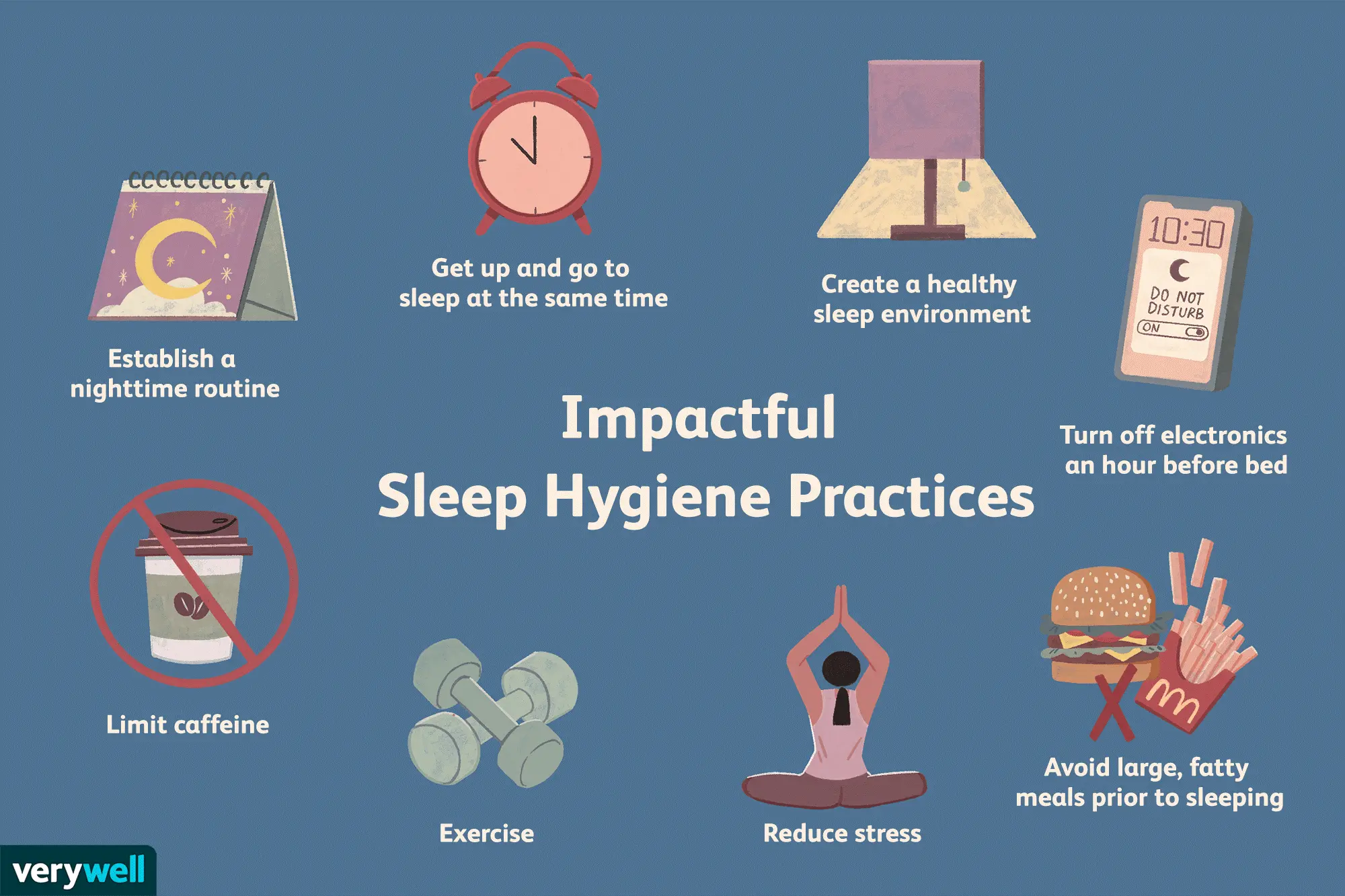
Improving sleep quality does not require rigid rules or complicated routines. Small, sustainable adjustments can significantly enhance restorative sleep.
Maintain Consistent Sleep Timing
Going to bed and waking up at similar times daily stabilises circadian rhythms and improves hormone regulation.
Simplify Evenings
Reducing exposure to bright lights, digital screens, and stimulating content helps prepare the brain for rest.
Create Transition Periods
Allowing at least one hour between work activities and bedtime helps the nervous system shift into relaxation mode.
Optimise Sleep Environment
A cool, dark, and quiet bedroom encourages melatonin production and deeper sleep cycles.
Release Sleep Pressure
Trying too hard to sleep often increases anxiety. Relaxation and acceptance encourage natural sleep onset.
These strategies represent practical natural ways to improve sleep while respecting the body’s natural rhythms.
Sleep Debt: A Reversible Condition
Many individuals believe long-term sleep deprivation causes permanent damage. Fortunately, the human body is remarkably resilient. Improving restorative sleep can reverse many negative effects associated with chronic sleep loss.
People who restore consistent sleep patterns often experience:
- Improved daytime energy and concentration
- Stabilised mood and reduced emotional reactivity
- Reduced food cravings and improved metabolism
- Strengthened immune function
- Enhanced physical recovery and resilience
Healing through sleep frequently occurs faster than expected once supportive habits are established.
Why Restorative Sleep Makes Life Feel Effortless
Quality sleep simplifies daily functioning in ways that are often underestimated. Individuals who experience restorative sleep commonly notice:
- Clearer decision-making abilities
- Increased productivity with less mental strain
- Improved emotional balance
- Reduced stress sensitivity
- Greater physical vitality
Sleep restores not only biological health but also cognitive efficiency and life perspective. It allows individuals to function with clarity rather than constant effort.
Final Reflection
If restorative sleep could be packaged as a medication, it would likely be the most powerful therapeutic intervention available. It repairs tissues, balances hormones, strengthens immunity, and stabilises emotional health — all without side effects or financial cost.
Within the Effortless Health philosophy, sleep is not viewed as negotiable or secondary. It is honoured as the body’s most reliable healer. When individuals protect their sleep, they activate their internal physician, allowing natural healing processes to function at their highest potential.
Restorative sleep is not simply about feeling rested. It is about allowing the body and mind to renew themselves fully, creating a foundation for long-term vitality, resilience, and effortless wellbeing.