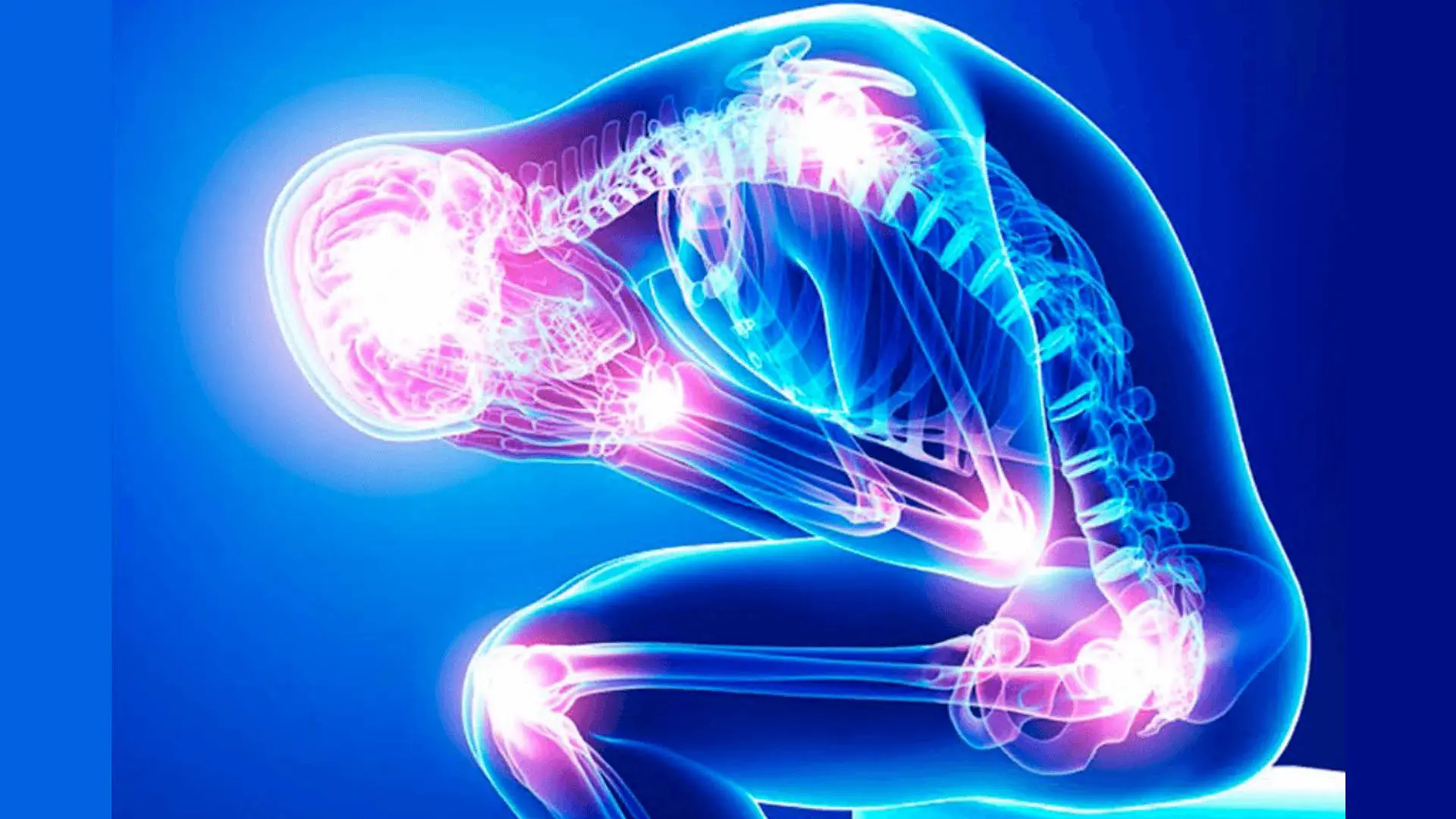
Inflammation Is Not Always the Problem: Understanding Chronic Inflammation Correctly
Inflammation has become one of the most blamed processes in modern health discussions. It is frequently linked to heart disease, diabetes, autoimmune disorders, obesity, fatigue, and even depression. As a result, many people view inflammation as something inherently dangerous that must be suppressed at all costs.
But this perspective is incomplete.
Inflammation is not the enemy. It is a fundamental biological process essential for survival. Without it, wounds would not heal, infections would not resolve, and tissues would not repair. The real concern is not inflammation itself — it is chronic inflammation, a prolonged and dysregulated inflammatory state that the body was never designed to sustain.
Understanding the difference changes how we approach healing.
What Inflammation Actually Is
Inflammation is the immune system’s protective response to injury, infection, or cellular stress. When the body detects a threat, it activates immune cells, increases blood flow to the affected area, and releases signaling molecules to begin repair.
Acute inflammation is beneficial. It:
- Helps eliminate pathogens
- Removes damaged cells
- Initiates tissue repair
- Signals the body to rest and recover
This short-term inflammatory response is necessary and life-preserving.
Problems arise when this response does not switch off.
What Is Chronic Inflammation?
Chronic inflammation occurs when the immune system remains activated for extended periods — weeks, months, or even years — even in the absence of immediate danger.
Unlike acute inflammation, which resolves once healing is complete, chronic inflammation becomes persistent and systemic. It often operates quietly in the background, without obvious symptoms at first.
Over time, chronic inflammation contributes to:
- Cardiovascular disease
- Insulin resistance and metabolic dysfunction
- Autoimmune disorders
- Neurodegenerative conditions
- Digestive disturbances
- Persistent fatigue
The issue is not that inflammation exists. The issue is that it remains unresolved.
Why the Body Fails to Turn Inflammation Off
The human body is designed to regulate inflammation efficiently. However, modern lifestyle patterns create repeated triggers that prevent proper resolution.
Common drivers of chronic inflammation include:
- Persistent psychological stress
- Poor sleep quality
- Blood sugar instability
- Sedentary lifestyle
- Excess ultra-processed foods
- Environmental toxins
- Emotional suppression
When stressors are constant, the immune system interprets them as ongoing threats. The result is sustained low-grade inflammation that never fully completes its cycle.
The Link Between Stress and Chronic Inflammation
One of the strongest yet underappreciated drivers of chronic inflammation is prolonged stress.
When stress activates the hypothalamic–pituitary–adrenal (HPA) axis, cortisol is released to regulate energy and immune responses. In short bursts, cortisol actually suppresses inflammation appropriately.
However, when stress becomes chronic:
- Cortisol rhythms become dysregulated
- Immune cells become less responsive to cortisol
- Inflammatory signaling increases
- Recovery mechanisms weaken
Over time, the body shifts into a state of immune imbalance, where inflammation remains active even without infection or injury.
This explains why stress management is not merely psychological — it is immunological.
Blood Sugar, Metabolism, and Inflammatory Signaling
Metabolic health plays a central role in inflammatory regulation. Frequent blood sugar spikes increase oxidative stress and inflammatory markers.
When insulin resistance develops:
- Inflammatory cytokines increase
- Fat tissue becomes hormonally active
- Systemic inflammation rises

Abdominal fat in particular produces inflammatory mediators that contribute to long-term chronic inflammation. This connection explains why metabolic health and inflammatory health are inseparable.
Stabilizing blood glucose is not only about weight — it is about immune balance.
The Gut’s Role in Inflammatory Regulation
The digestive system houses a large portion of the immune system. The gut lining acts as a barrier between external substances and internal circulation.
When gut integrity weakens due to stress, poor diet, or microbiome imbalance:
- Intestinal permeability may increase
- Immune activation becomes excessive
- Inflammatory responses intensify
Even subtle digestive disturbances can perpetuate systemic inflammation. Supporting gut health is therefore foundational in addressing chronic inflammation.
Sleep and Inflammatory Control
Sleep is one of the body’s most powerful anti-inflammatory regulators.
During deep sleep:
- Inflammatory markers decline
- Immune memory strengthens
- Tissue repair accelerates
- Hormonal rhythms stabilize
Chronic sleep deprivation increases inflammatory signaling and impairs immune resolution. Many individuals attempt dietary or supplement-based strategies while overlooking sleep quality, which is often the more significant factor.
Without restorative sleep, inflammatory processes struggle to normalize.
Inflammation Is a Messenger, Not a Mistake
It is important to recognize that chronic inflammation is often a signal rather than the root cause.
The body does not create inflammation randomly. It does so in response to perceived threat — whether physical, metabolic, or emotional.
Suppressing inflammation without addressing underlying triggers may provide temporary symptom relief, but it does not restore balance. Sustainable healing requires asking:
- What is repeatedly activating the immune system?
- Where is recovery insufficient?
- What stressors remain unresolved?
Inflammation becomes problematic when the body lacks safety and recovery.
The Effortless Health Perspective on Chronic Inflammation
Within the Effortless Health framework, inflammation is approached through regulation rather than suppression.
Instead of asking, “How do we eliminate inflammation?” the better question becomes:
“How do we remove the conditions that keep inflammation active?”
Key principles include:
- Supporting nervous system balance
- Stabilizing blood sugar
- Prioritizing restorative sleep
- Encouraging daily movement
- Reducing cognitive and emotional overload
- Allowing recovery cycles
When these foundations improve, inflammatory markers often decline naturally — without extreme interventions.
Healing becomes less about fighting the body and more about supporting it.
Practical Strategies to Reduce Chronic Inflammation Naturally
Addressing chronic inflammation does not require rigid or restrictive measures. Small, consistent adjustments create meaningful physiological shifts.
1. Prioritize Sleep Consistency
Maintain regular sleep timing and optimize sleep environment to support hormonal and immune balance.
2. Stabilize Blood Sugar
Focus on balanced meals containing protein, fiber, and healthy fats to reduce glucose spikes.
3. Move Daily
Moderate physical activity improves insulin sensitivity and reduces inflammatory markers.
4. Manage Stress Intentionally
Incorporate brief nervous system resets such as slow breathing, walking, or mindfulness pauses.
5. Support Gut Health
Include fiber-rich whole foods and reduce highly processed foods to encourage microbial diversity.
These strategies address root drivers rather than symptoms.
Why Suppression Alone Is Not the Solution
Pharmaceutical anti-inflammatory therapies can be valuable when medically necessary. However, relying solely on suppression without lifestyle correction may create long-term dependency without resolution.
Chronic inflammation reflects imbalance. Sustainable change requires restoring biological rhythm, stress regulation, metabolic stability, and sleep quality.
When the body perceives safety, inflammation resolves more efficiently.
Final Reflection
Inflammation is not inherently harmful. It is a protective mechanism essential for survival and healing. The problem arises when inflammation becomes chronic and unresolved due to modern lifestyle stressors and insufficient recovery.
By understanding the drivers of chronic inflammation — stress, metabolic instability, poor sleep, and gut dysfunction — individuals can shift from fighting inflammation to supporting resolution.
In Effortless Health, the goal is not to silence the body’s signals but to listen carefully and respond intelligently. When foundational systems are supported, the immune system regains its natural rhythm.
Chronic inflammation is not a life sentence. It is a signal that the body is asking for balance.